
First Walking Shoes and Baby Footwear: Complete Guide to Toddler Shoes
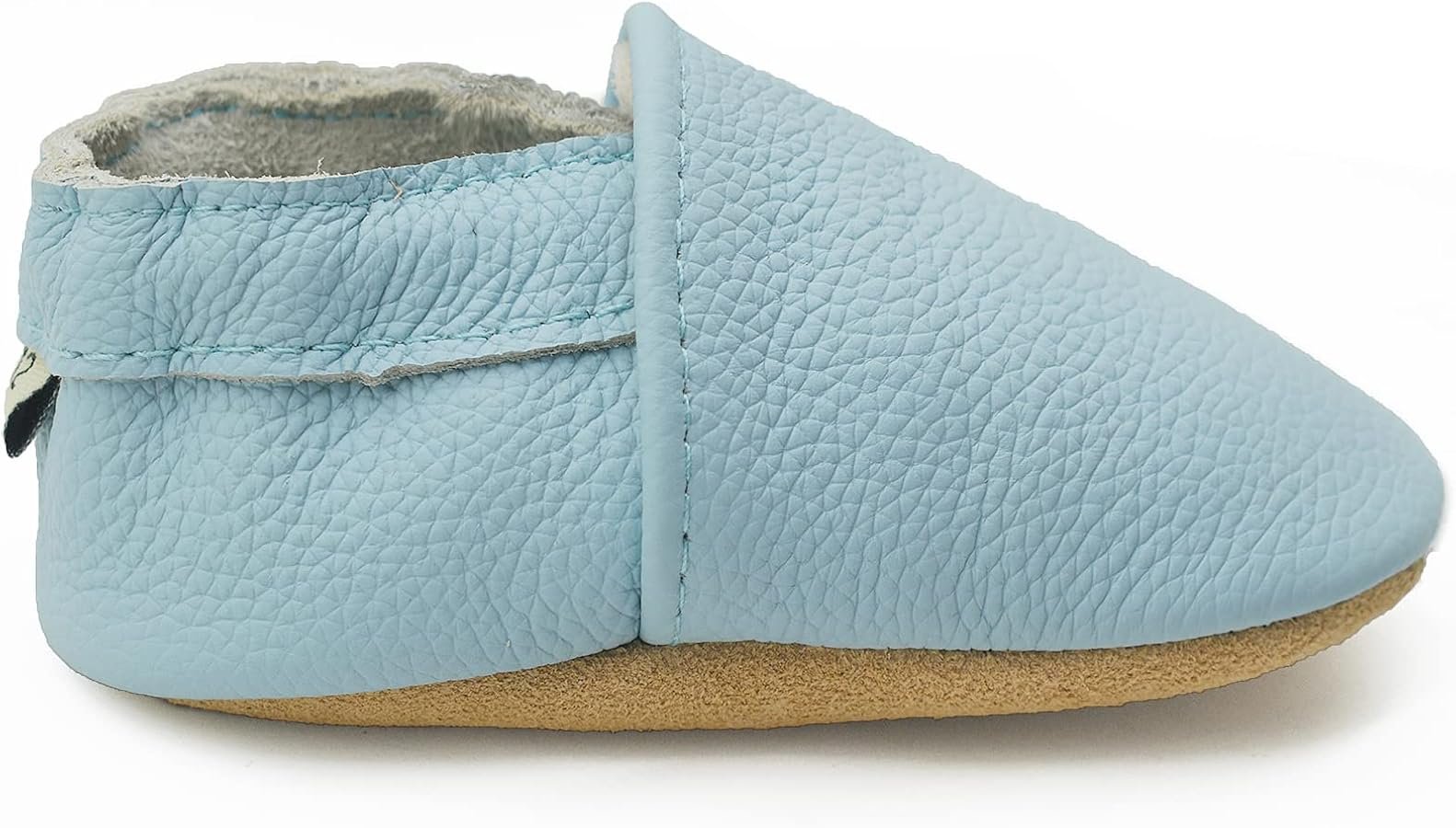
Soft-Sole Pre-Walker Shoes
Ultra-flexible pre-walking shoes designed for babies taking their first steps. Features breathable materials, non-slip soles, and easy-on design for developing feet that need maximum flexibility and natural movement.
Key Features:
- Flexible rubber sole
- Breathable mesh upper
- Elastic slip-on design
- Non-toxic materials
- Machine washable
- Lightweight construction
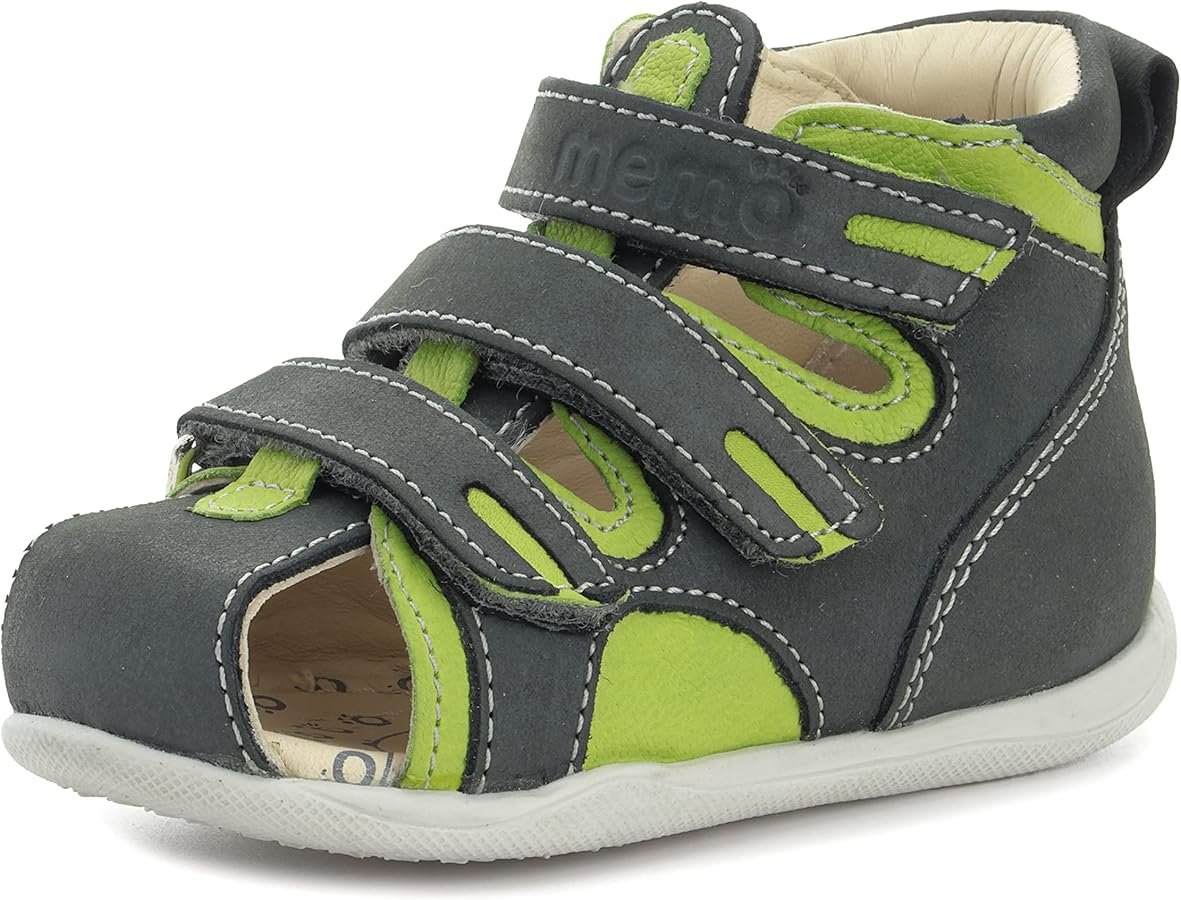
Supportive First Walker Shoes
Structured walking shoes perfect for confident walkers who need extra ankle support and durability. Designed with reinforced toe caps, cushioned insoles, and secure closure systems for active toddlers exploring their world.
Key Features:
- Reinforced toe protection
- Ankle support collar
- Cushioned memory foam insole
- Hook-and-loop closure
- Durable leather upper
- Traction outsole
- Padded heel counter
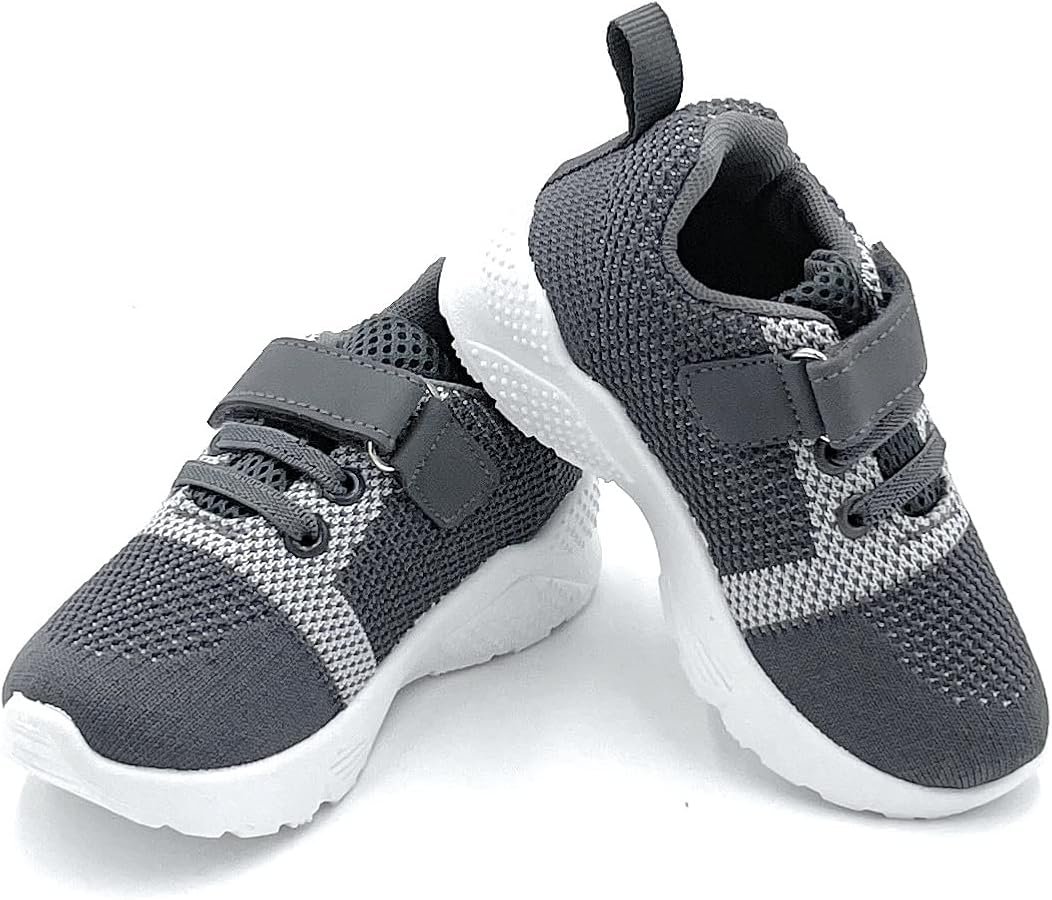
Everyday Toddler Sneakers
Versatile athletic-style shoes perfect for daily wear and play. Combines comfort, durability, and style with features specifically designed for toddlers’ active lifestyles and growing feet needs.
Key Features:
- Breathable canvas upper
- Flexible rubber outsole
- Easy-grip pull tabs
- Rounded toe box
- Moisture-wicking lining
- Lightweight EVA midsole
- Fun color options
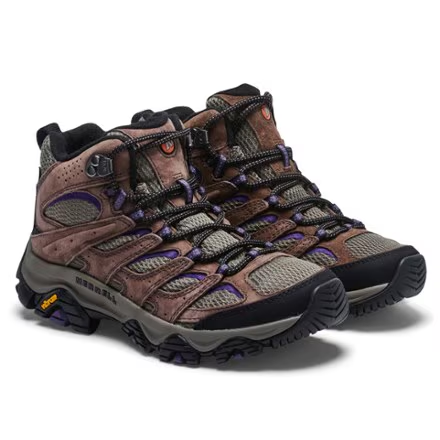
Weather-Resistant Outdoor Shoes
Durable outdoor shoes built to withstand puddles, playground adventures, and various weather conditions. Features water-resistant materials and enhanced grip for safe outdoor exploration and active play.
Key Features:
- Water-resistant upper
- Deep tread pattern
- Quick-dry materials
- Reinforced stitching
- Easy-clean surface
- Secure lacing system
- Extra toe protection
- All-terrain grip
Understanding Toddler Shoes and Baby Footwear Development
Choosing the right toddler shoes represents one of the most important decisions parents make during their child’s early development. Baby footwear serves different purposes at various stages, from protecting tiny feet during crawling to supporting confident walking adventures.
During the pre-walking stage, babies benefit most from barefoot time or very soft, flexible shoes that don’t restrict natural foot movement. Toddler shoes become more structured as children develop walking skills, requiring features that balance protection with the flexibility needed for proper foot development.
The Journey from Baby to Toddler Footwear
Baby feet grow rapidly during the first two years, often requiring new toddler shoes every few months. Understanding this progression helps parents choose appropriate footwear that supports rather than hinders natural development.
The transition from soft-soled baby shoes to more supportive toddler shoes should happen gradually. Early walkers need minimal structure, while confident toddlers require shoes with better traction and protection for outdoor adventures.
Essential Features in Quality Toddler Shoes
Quality toddler shoes must balance several important features to support healthy foot development. Flexibility remains paramount, as rigid shoes can interfere with natural foot mechanics and muscle development in growing feet.
Breathability is crucial since toddlers’ feet sweat more than adult feet relative to their size. Look for toddler shoes with mesh panels, natural leather, or other breathable materials that prevent moisture buildup and reduce odor.
Sole Design and Flexibility
The sole of toddler shoes should bend easily at the ball of the foot, mimicking natural foot movement during walking. Thin, flexible soles allow toddlers to feel the ground beneath them, improving balance and coordination.
Traction patterns should provide grip without being so aggressive that they cause tripping. Rounded sole edges help toddlers maintain their natural rolling gait pattern during the walking motion.
Upper Construction and Support
Toddler shoes should have rounded toe boxes that don’t compress toes or restrict natural toe movement. The upper should be soft enough to prevent pressure points while providing adequate protection from outdoor elements.
Ankle support in toddler shoes remains controversial among pediatric specialists. Most experts recommend minimal ankle restriction for healthy toddlers, allowing natural ankle movement and strength development.
Proper Sizing and Fitting Guidelines for Toddler Shoes
Proper fitting is absolutely critical when selecting toddler shoes, as ill-fitting footwear can cause immediate discomfort and long-term developmental issues. Toddler feet should have approximately half an inch of space between the longest toe and shoe front.
Measure toddler feet regularly, as rapid growth means sizes change frequently during the early walking years. Always measure both feet, as slight size differences are completely normal and should be accommodated.
When to Measure and Shop
Afternoon measurements provide the most accurate sizing, as feet naturally swell slightly throughout the day. This timing helps ensure toddler shoes won’t feel tight during normal daily activities and play.
Shopping for toddler shoes should involve trying them on rather than relying solely on measurements. Watch for signs of pressure, rubbing, or restriction when your toddler walks in potential new shoes.
Signs of Poor Fit
Red marks, blisters, or complaints about foot pain indicate poorly fitting toddler shoes. Frequent tripping or reluctance to walk may also signal sizing issues that need immediate attention.
Toes that appear cramped or bent when shoes are removed suggest the need for wider or longer toddler shoes. Regular fit checks help prevent problems before they impact foot development.
Age-Appropriate Toddler Shoes Selection
Different developmental stages require different approaches to toddler shoes selection. Pre-walkers benefit most from very flexible, minimal footwear that protects without restricting natural movement patterns.
New walkers need toddler shoes with slightly more structure while maintaining maximum flexibility. These shoes should focus on protection and grip while allowing continued development of balance and coordination skills.
Pre-Walker Stage (6-15 months)
During the pre-walking stage, soft-soled shoes or socks with grips provide ideal protection. These toddler shoes should feel almost like being barefoot while offering minimal protection from rough surfaces.
Pre-walker shoes should slip on easily but stay secure during crawling and pulling up activities. Materials should be soft, breathable, and flexible enough to bend completely with foot movement.
Confident Walker Stage (15+ months)
Confident walkers can handle toddler shoes with more structure and durability features. These children need better traction for outdoor surfaces and more protection for active play and exploration.
At this stage, toddler shoes can include features like reinforced toe caps, better closure systems, and slightly thicker soles while maintaining the flexibility essential for continued development.
Materials and Construction in Toddler Shoes
Material selection significantly impacts comfort, durability, and foot health in toddler shoes. Natural materials like leather often provide better breathability and flexibility compared to synthetic alternatives, though quality varies widely.
Breathable materials help prevent moisture-related problems common in active toddlers. Canvas, mesh, and properly treated leather all offer good breathability when used in quality toddler shoes construction.
Sole Materials and Design
Rubber soles provide excellent flexibility and traction for toddler shoes while remaining durable enough for active use. Avoid hard plastic soles that don’t bend easily or provide adequate grip on various surfaces.
Sole thickness should be minimal while providing adequate protection. Thin, flexible soles in toddler shoes allow better ground feel and more natural walking patterns compared to thick, cushioned alternatives.
Upper Materials and Durability
Soft leather uppers conform well to foot shapes and become more comfortable over time. Canvas and mesh materials offer excellent breathability but may provide less durability for very active toddlers.
Seam placement and construction quality affect both comfort and longevity in toddler shoes. Well-placed seams prevent pressure points, while quality construction ensures shoes maintain their shape and support throughout their useful life.
Common Mistakes to Avoid with Toddler Shoes
Many parents unknowingly make mistakes when selecting toddler shoes that can impact foot development and comfort. Buying shoes too large “to grow into” often causes tripping, blisters, and instability during the critical walking development period.
Choosing overly supportive or rigid toddler shoes can interfere with natural foot strengthening and development. Toddler feet need freedom to move and flex naturally while building the muscles and coordination necessary for lifelong healthy walking.
Sizing and Timing Mistakes
Waiting too long between size checks leads to cramped toes and restricted movement in outgrown toddler shoes. Regular measurement and observation help catch sizing issues before they impact comfort or development.
Assuming both feet are the same size can result in poor fit and discomfort. Always fit toddler shoes to the larger foot and use appropriate adjustments for any size differences.
Style Over Function Errors
Prioritizing appearance over functionality often results in toddler shoes that look cute but don’t support healthy development. Focus on proper fit, flexibility, and age-appropriate features before considering aesthetic factors.
Choosing toddler shoes with excessive decoration, hard embellishments, or complicated closure systems can create pressure points and make independent dressing more difficult for developing toddlers.
Frequently Asked Questions
Choosing the Perfect Toddler Shoes for Your Child
Selecting appropriate toddler shoes represents an investment in your child’s healthy development and future comfort. The right footwear supports natural foot development while providing necessary protection for active exploration and play. Remember that flexibility, proper fit, and age-appropriate features matter more than style or brand recognition.
Quality toddler shoes should grow with your child’s developmental needs, transitioning from minimal protection for new walkers to more structured support for confident explorers. Regular size checks and observation of your child’s comfort ensure that footwear continues supporting rather than hindering natural development throughout the rapid growth periods of early childhood.
Investing time in proper selection and fitting of toddler shoes pays dividends in comfort, safety, and developmental support. Focus on the essential features that matter most for your child’s current developmental stage while considering the quality construction that ensures durability through active toddler adventures. With the right approach to toddler shoes selection, you’re supporting a foundation for lifelong healthy foot development and comfortable movement.
The journey of finding perfect toddler shoes may require patience and regular attention, but the reward of seeing your child walk, run, and explore confidently makes every effort worthwhile. Trust in quality construction, proper fitting, and age-appropriate features to guide your decisions as your toddler grows and develops.