
Training Shoes for CrossFit and Gym Workouts
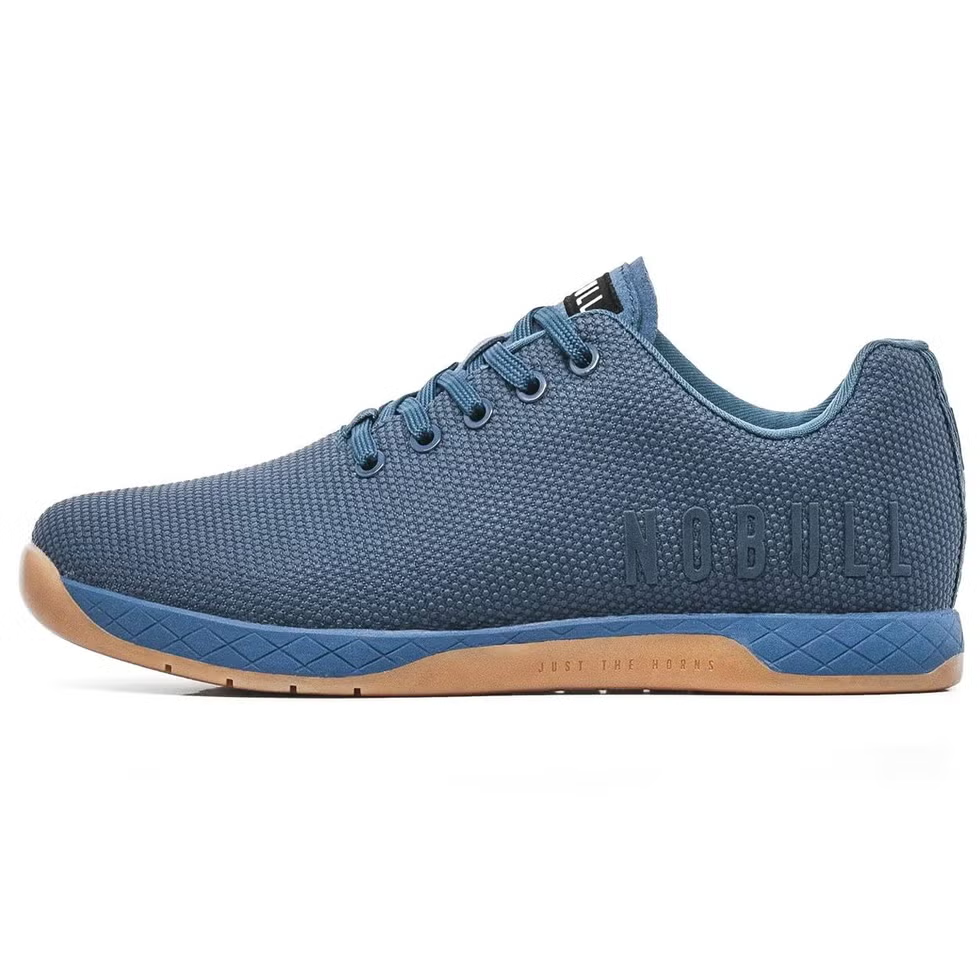
Cross-Training Performance Sneakers
Versatile training shoes designed for multi-directional movement and high-intensity workouts. Features reinforced heel support and flexible forefoot construction for optimal performance across various exercise types including CrossFit, weightlifting, and cardio training.
Key Features:
- Reinforced heel counter for lateral stability
- Flexible forefoot design for natural movement
- Breathable mesh upper construction
- Durable rubber outsole with grip pattern
- Low-profile midsole for ground connection
- Reinforced toe cap protection
- Removable cushioned insole
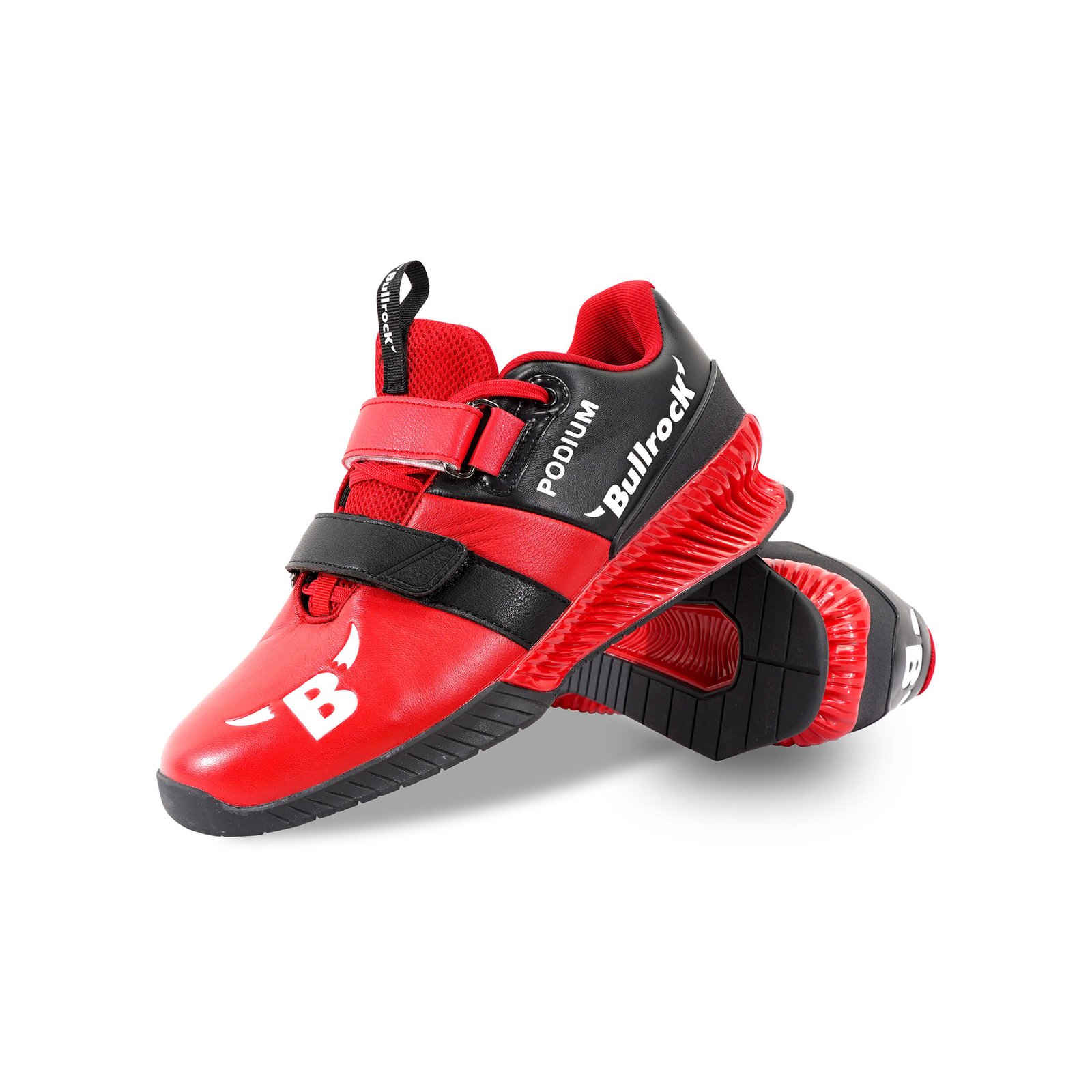
Weightlifting Training Shoes
Specialized training shoes with elevated heel and firm sole construction ideal for Olympic lifting and strength training. Provides exceptional stability and power transfer during heavy compound movements while maintaining comfort for extended gym sessions.
Key Features:
- Elevated heel for improved squat depth
- Firm TPU midsole for stability
- Dual hook-and-loop strap closure
- Non-compressible heel construction
- Leather upper for durability
- Wide toe box for natural foot positioning
- Anti-slip rubber outsole
- Reinforced lacing system
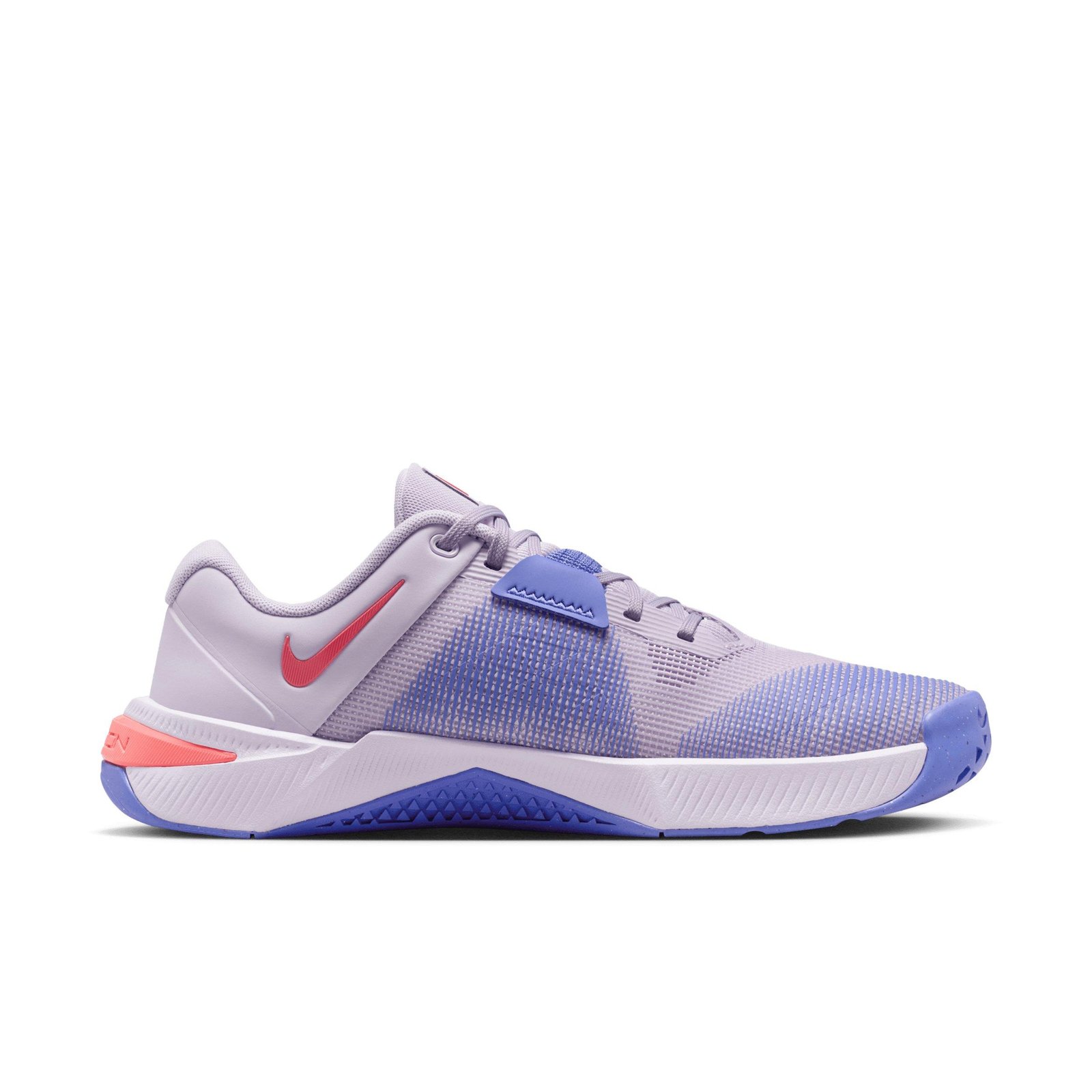
High-Intensity Interval Training Shoes
Lightweight training shoes engineered for HIIT workouts and dynamic movements. Combines responsive cushioning with lateral support to handle quick direction changes, jumping, and explosive movements while providing all-day comfort for varied training routines.
Key Features:
- Responsive foam midsole cushioning
- Multi-directional traction outsole
- Lightweight synthetic construction
- Padded collar and tongue
- Quick-dry moisture-wicking lining
- Reinforced lateral support zones
- Flexible groove pattern for natural movement
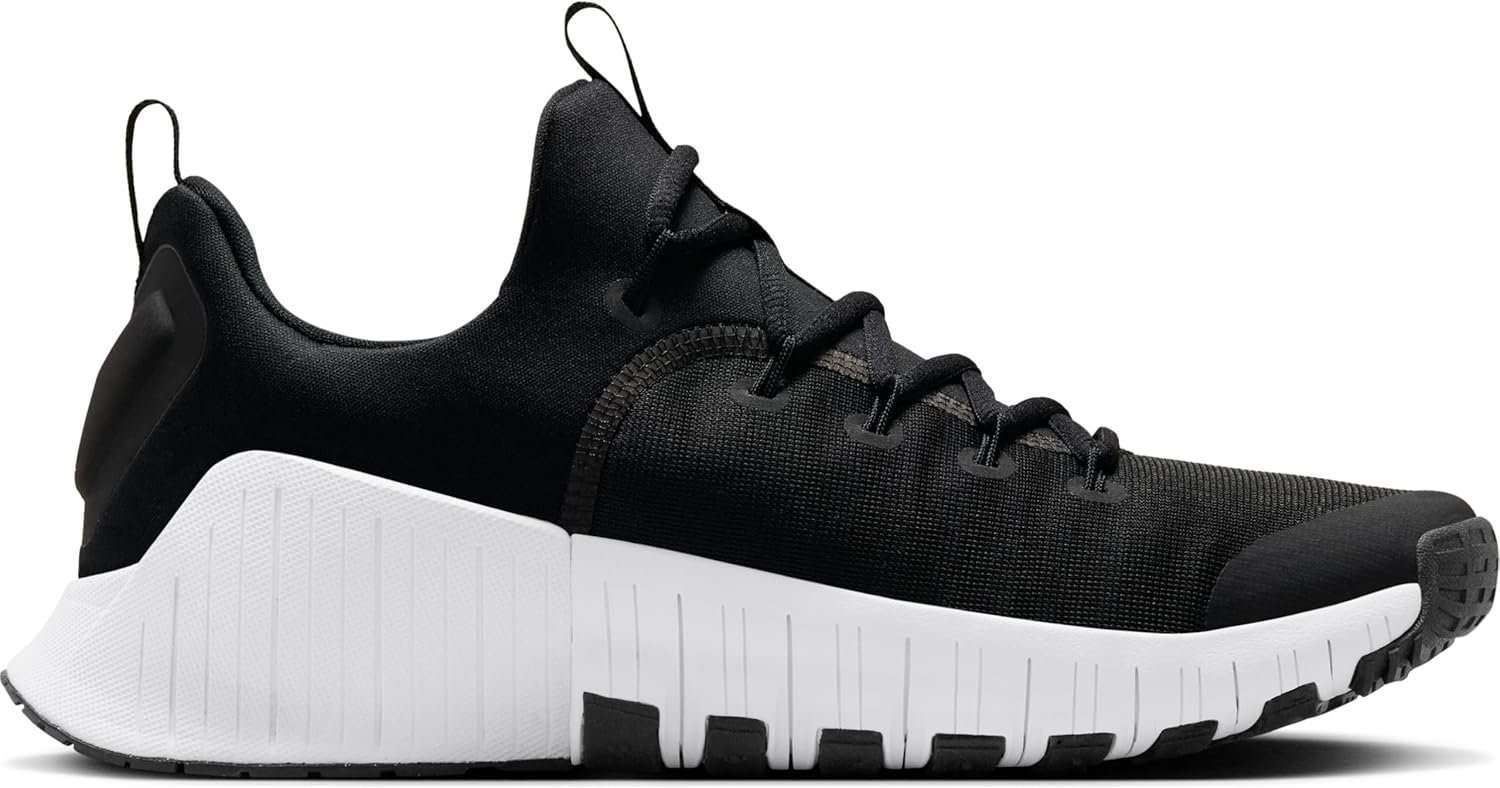
All-Purpose Gym Training Shoes
Versatile training shoes perfect for general fitness activities and gym workouts. Offers balanced cushioning and support for various exercises including cardio machines, free weights, and group fitness classes while maintaining comfort for everyday wear.
Key Features:
- Balanced cushioning for comfort
- Versatile tread pattern design
- Breathable fabric upper
- Padded midsole support
- Durable construction materials
- Classic athletic styling
- Flexible rubber outsole
Essential Features of Quality Training Shoes
Quality training shoes are fundamental to achieving peak performance and preventing injuries during intense workout sessions. The right training shoes provide the stability, support, and flexibility needed for diverse gym activities.
Stability and Support
Training shoes must offer superior lateral stability to handle multi-directional movements common in CrossFit and functional fitness. Unlike running shoes designed for forward motion, training shoes feature reinforced sides and structured heel counters that prevent ankle rolling during lateral lunges, box jumps, and agility drills.
Sole Construction and Grip
The outsole of effective training shoes incorporates specialized tread patterns that provide traction on various gym surfaces. A flat, stable base is crucial for weightlifting movements, while strategic grip zones enhance performance during rope climbs, sled pushes, and other dynamic exercises.
Durability and Materials
High-quality training shoes utilize durable materials that withstand the rigorous demands of CrossFit and intense gym workouts. Reinforced toe caps protect against rope burns, while abrasion-resistant uppers maintain their integrity through countless training sessions.
Training Shoes vs. Running Shoes: Key Differences
Understanding the distinction between training shoes and running shoes is crucial for selecting appropriate workout footwear. While both serve athletic purposes, their design philosophies and performance characteristics differ significantly.
Heel-to-Toe Drop
Training shoes typically feature a lower heel-to-toe drop compared to running shoes, promoting better ground connection and stability during lifting movements. This design element allows for more natural foot positioning during squats, deadlifts, and other compound exercises.
Cushioning Systems
Running shoes prioritize maximum cushioning for impact absorption during repetitive forward motion. Training shoes balance cushioning with firmness, providing enough comfort for jumping movements while maintaining the stability needed for weightlifting and lateral movements.
Flexibility Patterns
The flex patterns in training shoes accommodate multi-directional movement, with enhanced flexibility in the forefoot and midfoot regions. This design supports the varied movement patterns encountered in CrossFit workouts and functional fitness training.
Choosing Training Shoes for Different Workout Types
Selecting the appropriate training shoes depends heavily on your primary workout activities and training style. Different exercise modalities place unique demands on footwear performance and design.
CrossFit and Functional Fitness
CrossFit training shoes must excel across multiple disciplines, from Olympic lifting to metabolic conditioning. Look for training shoes with firm heel support for lifting segments and responsive forefoot cushioning for jumping and running portions of workouts.
Weightlifting and Strength Training
Dedicated strength training benefits from specialized training shoes with elevated heels and non-compressible soles. These features improve squat depth and provide stable platforms for heavy lifting, enhancing both performance and safety during strength-focused sessions.
High-Intensity Interval Training
HIIT workouts demand training shoes that can handle rapid direction changes, explosive movements, and sustained activity. Prioritize training shoes with excellent lateral support, responsive cushioning, and superior traction for these dynamic workout styles.
Proper Fit and Sizing for Training Shoes
Achieving the correct fit in training shoes is paramount for comfort, performance, and injury prevention during intense workout sessions. Proper sizing considerations extend beyond simple length measurements.
Toe Box Space and Width
Training shoes should provide adequate toe box space to accommodate natural foot expansion during exercise. A thumb’s width between your longest toe and the shoe front ensures comfortable movement during jumping, lunging, and other dynamic activities.
Heel Lock and Security
Secure heel placement prevents slippage and hot spots during training. Quality training shoes feature structured heel counters and proper lacing systems that lock the heel in place without causing pressure points or restricting circulation.
Arch Support and Foot Type
Consider your foot arch type when selecting training shoes, as different designs accommodate various arch heights and foot shapes. Proper arch support enhances comfort during extended training sessions and helps maintain optimal foot alignment during complex movements.
Maintenance and Care for Training Shoes
Proper maintenance extends the lifespan of training shoes and ensures consistent performance throughout their use. Regular care practices protect your investment and maintain hygiene standards.
Cleaning and Hygiene
Regular cleaning prevents odor buildup and material degradation in training shoes. Remove insoles after intense workouts to allow proper air circulation, and clean both the shoes and insoles with appropriate cleaning solutions designed for athletic footwear.
Rotation and Rest Periods
Rotating between multiple pairs of training shoes allows each pair adequate recovery time between workouts. This practice helps maintain the structural integrity of cushioning systems and reduces wear patterns that develop from daily use.
Storage and Environment
Store training shoes in well-ventilated areas away from direct sunlight and extreme temperatures. Proper storage conditions prevent material degradation and maintain the performance characteristics of modern training shoe technologies.
When to Replace Your Training Shoes
Recognizing replacement indicators helps maintain optimal performance and injury prevention during training sessions. Training shoes have finite lifespans that vary based on usage patterns and individual factors.
Wear Pattern Assessment
Regularly inspect your training shoes for uneven wear patterns, particularly on the outsole and midsole areas. Excessive wear in specific regions indicates compromised support and stability that can affect workout performance and increase injury risk.
Mileage and Time Considerations
Most training shoes maintain optimal performance for 300-500 miles of use or 6-8 months of regular training, depending on workout intensity and frequency. Track your usage to anticipate replacement needs before performance degradation becomes noticeable.
Performance and Comfort Changes
Decreasing comfort levels, reduced support, or changes in how the training shoes feel during workouts signal the need for replacement. These subjective indicators often precede visible wear signs and should guide replacement timing decisions.
Frequently Asked Questions
Finding Your Perfect Training Shoes
Selecting the right training shoes is a critical investment in your fitness journey and workout performance. The ideal training shoes support your specific activities while providing the durability and comfort needed for consistent training progress.
Consider your primary workout types, foot characteristics, and training frequency when evaluating different training shoes options. Whether you focus on CrossFit, weightlifting, or general fitness activities, the right footwear enhances both performance and safety during your training sessions.
Quality training shoes provide the foundation for effective workouts and help prevent common exercise-related injuries. Take time to properly assess fit, features, and construction quality to ensure your chosen training shoes meet your specific needs and training goals.
Invest in training shoes that align with your workout style and fitness objectives. The right footwear choice supports your training consistency and helps you achieve better results from every gym session and workout routine.