
Off Trail Running Shoes – Ultimate Off-Road Athletic Footwear Guide
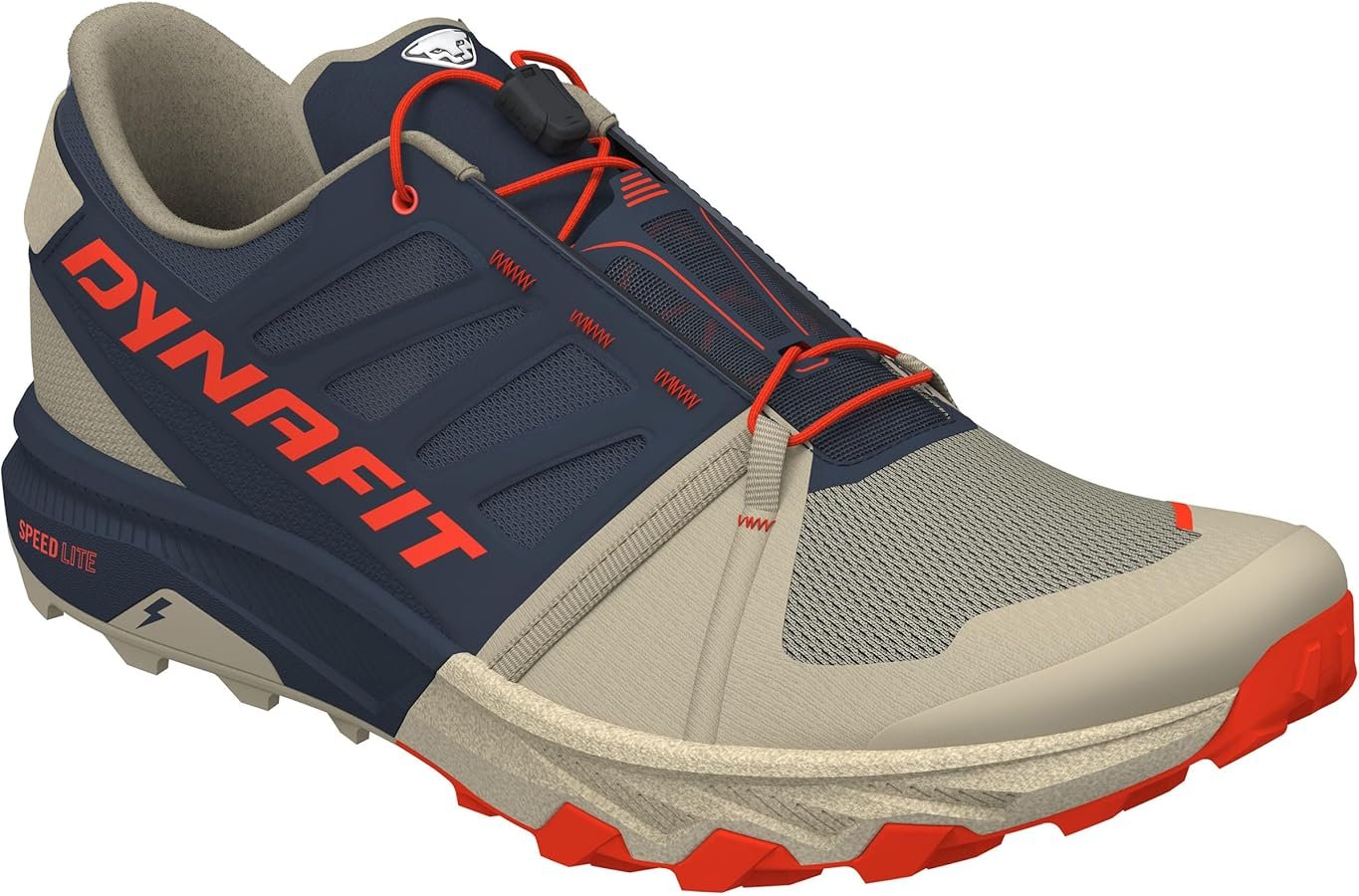
All-Terrain Trail Runner Pro
Engineered for serious off-road adventures, these off trail running shoes feature aggressive lugs and reinforced toe protection. Advanced grip technology and breathable construction make them perfect for challenging terrain and long-distance trail runs.
Key Features:
- Aggressive multi-directional lug pattern
- Reinforced toe and heel protection
- Breathable mesh upper with synthetic overlays
- Rock plate protection system
- Quick-dry moisture-wicking lining
- Precise lacing system for secure fit
- Durable rubber outsole compound
- Lightweight midsole cushioning
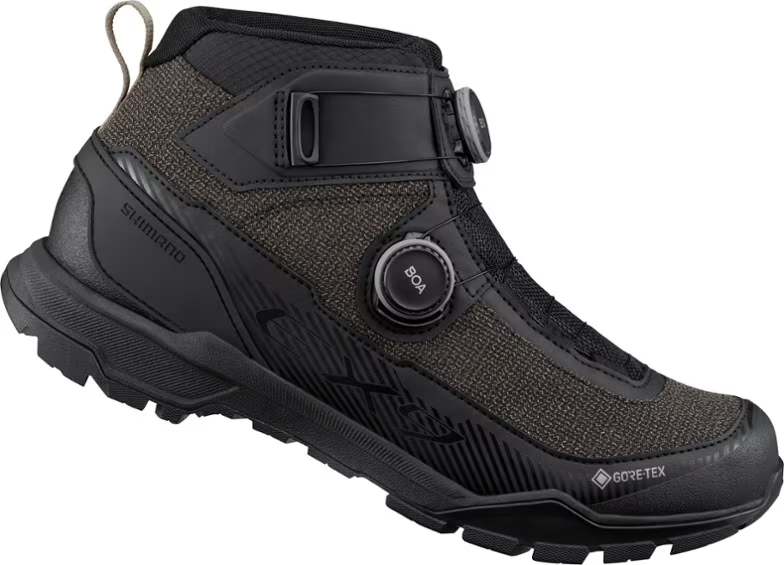
Mountain Explorer Off-Road Shoes
Built for versatility across diverse terrain, these off trail running shoes combine comfort with durability. Features include superior traction technology and weather-resistant materials, making them ideal for both casual hikers and dedicated trail runners seeking reliable performance.
Key Features:
- Multi-surface traction design
- Water-resistant upper construction
- Cushioned midsole for comfort
- Flexible forefoot design
- Padded collar and tongue
- Reflective safety elements
- Anti-debris mesh collar
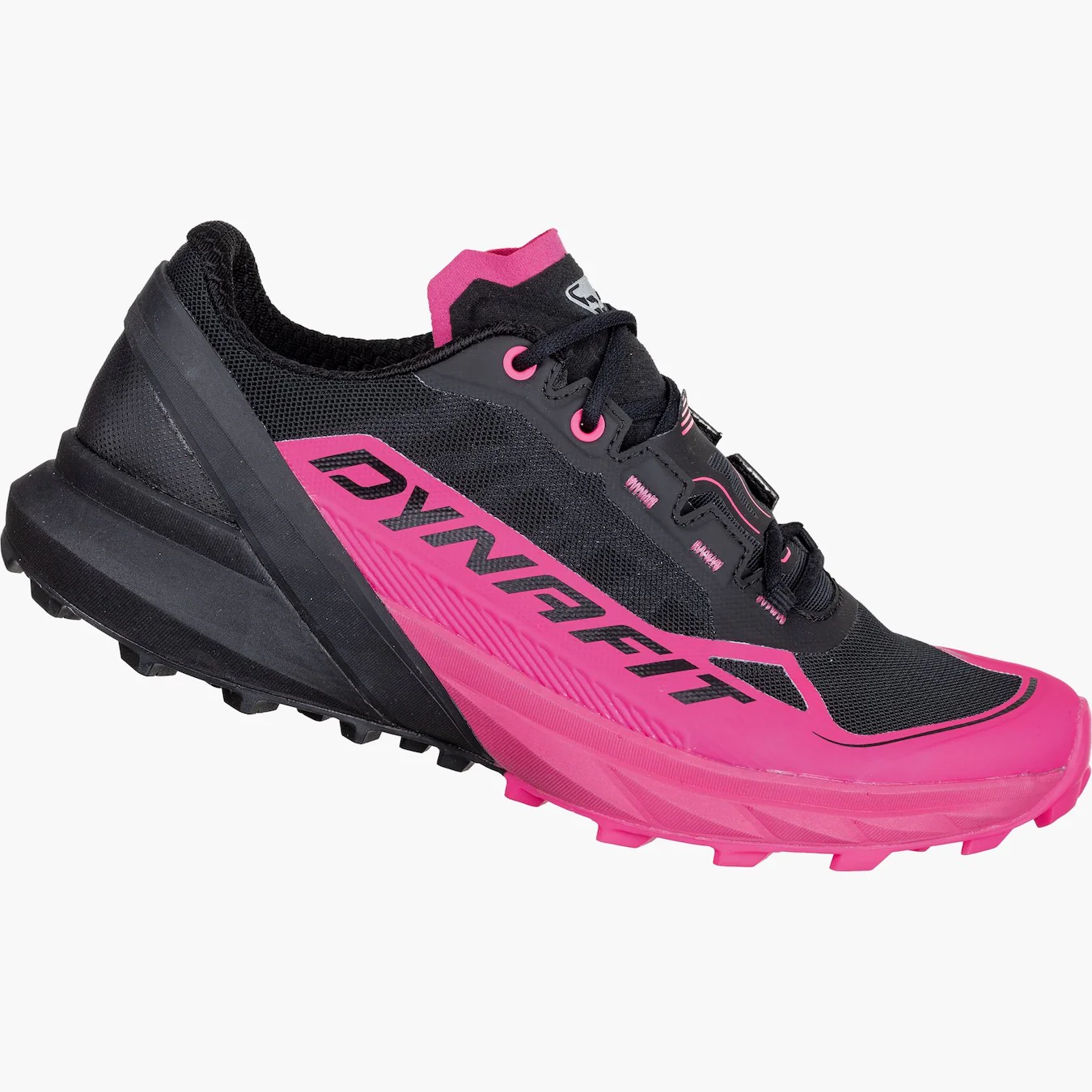
Ultra-Grip Wilderness Runners
Designed for extreme off-road conditions, these specialized off trail running shoes deliver maximum grip and stability. Perfect for technical trails, rocky surfaces, and muddy conditions where standard running shoes fall short of performance expectations.
Key Features:
- Deep 6mm lug depth
- Sticky rubber compound
- Gaiter attachment points
- Precision fit heel cup
- Drainage ports for water crossings
- Abrasion-resistant materials
- Shock-absorbing heel system
- Temperature-stable construction
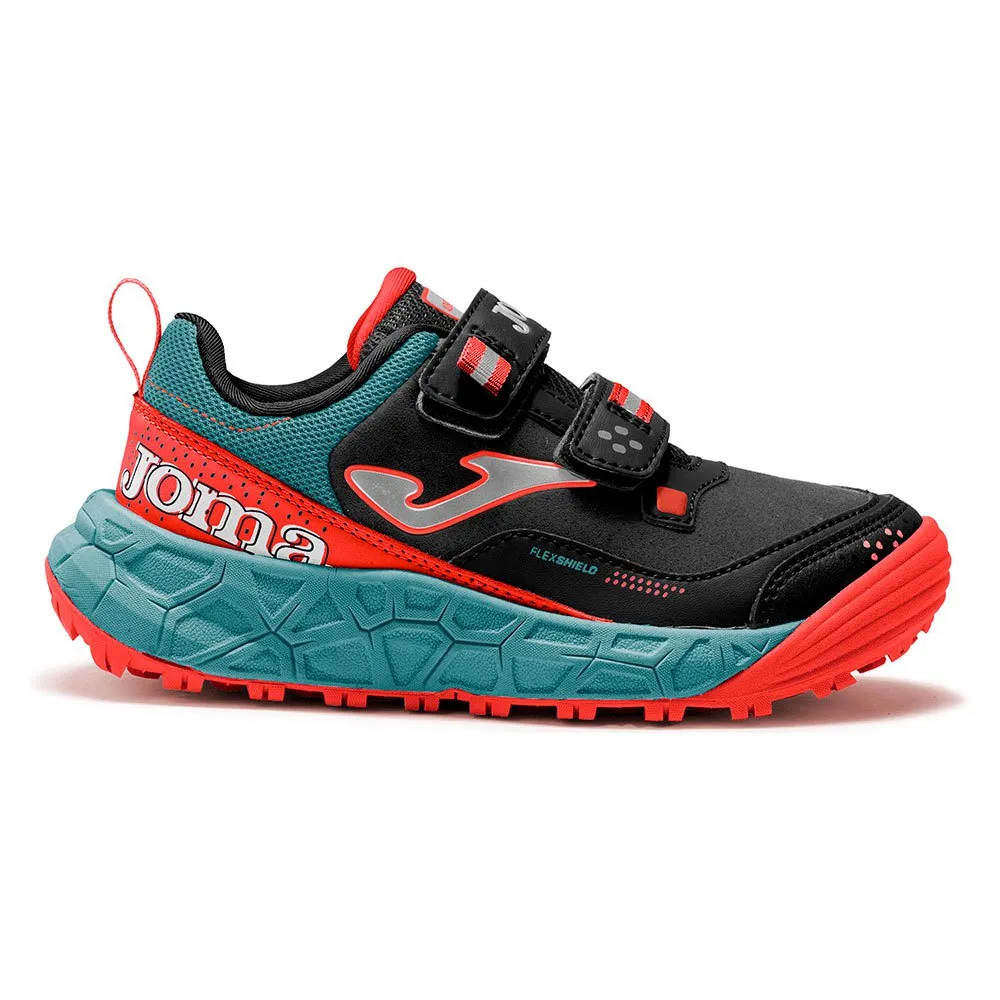
Adventure Trail Performance Shoes
Combining lightweight construction with rugged durability, these off trail running shoes excel in varied terrain conditions. Features include advanced cushioning technology and superior breathability, making them perfect for long-distance adventures and multi-terrain challenges.
Key Features:
- Lightweight synthetic construction
- Advanced cushioning technology
- Superior ventilation system
- Flexible toe box design
- Secure midfoot support
- Trail-specific outsole pattern
- Quick-lace system
What Makes Off Trail Running Shoes Different
Off trail running shoes represent a specialized category of athletic footwear designed specifically for challenging terrain and off-road adventures. Unlike traditional road running shoes, these specialized shoes feature aggressive tread patterns, reinforced construction, and protective elements that standard footwear simply cannot provide.
The primary distinction lies in the outsole design, where off trail running shoes incorporate deep lugs and multi-directional tread patterns. These features provide superior grip on loose soil, rocky surfaces, muddy paths, and steep inclines where regular running shoes would slip or lose traction.
Enhanced Protection Features
Protection stands as a cornerstone feature of quality off trail running shoes. Rock plates embedded in the midsole shield feet from sharp stones and debris, while reinforced toe caps guard against impacts with rocks and roots. These protective elements ensure runners can tackle technical terrain with confidence.
Durability represents another crucial difference, as off trail running shoes utilize tougher materials and construction methods. The upper materials resist abrasion from rocks and vegetation, while reinforced stitching and overlay placement ensure longevity even under harsh conditions.
Terrain-Specific Design Elements
The design philosophy behind off trail running shoes centers on versatility across diverse terrain types. Whether navigating loose gravel, crossing streams, or climbing rocky scrambles, these shoes adapt to changing conditions throughout a single run or hike.
Key Features to Look for in Off Trail Running Shoes
Selecting the right off trail running shoes requires understanding essential features that impact performance and comfort on challenging terrain. The outsole design serves as the foundation of any quality trail shoe, with lug depth and pattern determining traction capabilities across different surfaces.
Lug depth typically ranges from 3mm for light trail conditions to 6mm or more for aggressive terrain. Off trail running shoes designed for technical terrain feature deeper lugs with strategic placement to maximize grip during both ascents and descents.
Midsole Technology and Protection
Midsole construction in off trail running shoes balances cushioning with protection and ground feel. Rock plates provide essential underfoot protection without completely eliminating terrain feedback that helps with balance and foot placement on uneven surfaces.
Cushioning levels vary based on intended use, with ultra-distance models offering maximum comfort for long adventures. Responsive midsole materials help maintain energy return while providing the stability needed for technical terrain navigation.
Upper Construction and Fit
The upper construction of off trail running shoes must withstand constant contact with vegetation, rocks, and debris. Synthetic overlays and reinforcement in high-wear areas extend shoe life significantly compared to lighter road running models.
Breathability remains important despite the need for durability, with strategic mesh placement and ventilation systems preventing overheating during intense efforts. Proper fit becomes crucial as off trail running shoes must secure the foot without creating pressure points during long adventures.
Choosing Off Trail Running Shoes for Different Terrain Types
Different terrain types demand specific characteristics from off trail running shoes, making terrain-specific selection crucial for optimal performance. Rocky terrain requires shoes with maximum underfoot protection and precise fit to prevent sliding within the shoe during technical sections.
For loose and sandy conditions, off trail running shoes with deeper lugs and wider spacing help prevent debris accumulation while maintaining traction. The lug pattern should facilitate self-cleaning to maintain grip throughout the run.
Wet and Muddy Conditions
Wet terrain presents unique challenges that specialized off trail running shoes address through specific design elements. Deep, widely-spaced lugs shed mud effectively, while sticky rubber compounds maintain grip on wet rocks and roots.
Drainage features in off trail running shoes, such as mesh panels and drainage ports, allow water to escape quickly after stream crossings or muddy sections. Quick-drying materials prevent prolonged discomfort from wet conditions.
Technical and Steep Terrain
Technical terrain demands off trail running shoes with precise fit and maximum protection. Heel cup design becomes crucial for maintaining foot position during steep descents, while toe protection guards against impacts during scrambling sections.
The outsole rubber compound significantly impacts performance on technical terrain, with softer compounds providing superior grip on smooth rock surfaces. Off trail running shoes designed for technical use often feature climbing-shoe-inspired rubber compounds.
Sizing and Fit Considerations for Off Trail Running Shoes
Proper sizing represents a critical factor in off trail running shoes performance and injury prevention. Trail running typically requires slightly more room than road running shoes due to foot swelling during long efforts and the need for toe clearance on steep descents.
Most experienced trail runners size their off trail running shoes approximately half a size larger than their road running shoes. This additional room prevents black toenails and hot spots during long descents while maintaining security during technical sections.
Width and Volume Considerations
Foot volume and width significantly impact comfort and performance in off trail running shoes. Runners with high-volume feet should seek models with generous toe boxes and adjustable lacing systems that accommodate swelling during long efforts.
The midfoot fit requires particular attention in off trail running shoes, as excessive movement can cause blisters and reduce precision on technical terrain. Lacing systems should allow independent adjustment of forefoot and midfoot tension.
Break-in Process
Unlike road running shoes, off trail running shoes often require a break-in period to achieve optimal comfort and performance. The stiffer construction and protective elements need time to conform to individual foot shapes and running styles.
Gradual introduction through shorter runs on familiar terrain allows both feet and shoes to adapt. This break-in process helps identify any fit issues before committing to longer adventures in off trail running shoes.
Maintenance and Care for Off Trail Running Shoes
Proper maintenance extends the lifespan of off trail running shoes significantly while maintaining performance characteristics. Post-run cleaning removes debris that can cause premature wear and prevents odor-causing bacteria buildup in the shoe interior.
Immediate post-run care involves removing large debris from the outsole and allowing shoes to air dry completely. Off trail running shoes should never be placed near direct heat sources, which can damage adhesives and synthetic materials.
Deep Cleaning Techniques
Periodic deep cleaning of off trail running shoes maintains both performance and hygiene. Removable insoles should be washed separately and allowed to dry completely before reinstalling. The upper can be cleaned with mild soap and a soft brush to remove embedded dirt and stains.
Lug patterns in off trail running shoes require special attention during cleaning, as packed debris reduces traction effectiveness. A stiff brush or picking tool helps remove stubborn debris from deep lugs and tread patterns.
Storage and Rotation
Proper storage prevents deformation and material degradation in off trail running shoes. Shoes should be stored in a cool, dry environment with adequate ventilation to prevent moisture-related issues.
Rotating between multiple pairs of off trail running shoes allows each pair to fully dry and decompress between uses. This rotation system significantly extends the lifespan of each pair while ensuring optimal performance characteristics.
Performance Tips for Off Trail Running Shoes
Maximizing performance from off trail running shoes requires understanding how to adapt running technique to different terrain types and conditions. Proper foot placement and cadence adjustments help maintain efficiency while reducing injury risk on technical terrain.
On steep ascents, shortening stride length and maintaining a midfoot or forefoot strike pattern helps off trail running shoes maintain traction. Leaning slightly forward and using arm swing for balance optimizes the grip characteristics of specialized trail outsoles.
Descent Techniques
Steep descents challenge both runner technique and off trail running shoes capabilities. Controlled descent technique involves slightly longer strides with heel-to-toe contact, allowing the aggressive lug pattern to provide braking traction.
Maintaining relaxed shoulders and quick feet helps navigate technical descents safely. Off trail running shoes provide the protection and traction needed for confident descending, but proper technique remains essential for safety and efficiency.
Adapting to Changing Conditions
Throughout a single trail run, conditions often change dramatically, requiring technique adjustments to maximize off trail running shoes performance. Transitioning from dry to wet terrain demands more cautious foot placement and shorter strides until grip characteristics are assessed.
Learning to read terrain and adjust accordingly becomes second nature with experience. Quality off trail running shoes provide the foundation for confident terrain navigation, but developing terrain-reading skills enhances safety and performance significantly.
Frequently Asked Questions
Finding Your Perfect Off Trail Running Shoes
Selecting the ideal off trail running shoes requires careful consideration of your specific needs, terrain preferences, and running style. The investment in quality trail-specific footwear pays dividends in comfort, performance, and injury prevention across countless adventures on challenging terrain.
Understanding the key features and benefits of off trail running shoes empowers you to make informed decisions based on your individual requirements. Whether you’re tackling technical mountain trails, exploring desert landscapes, or navigating muddy forest paths, the right shoes provide the foundation for confident and enjoyable trail running experiences.
The four exceptional models highlighted in this guide represent different approaches to off trail running shoes design, each excelling in specific conditions and applications. From the technical prowess of the Ultra-Grip Wilderness Runners to the versatile performance of the Adventure Trail Performance Shoes, there’s an option to match every trail runner’s needs and preferences.
Investing in proper off trail running shoes opens up new possibilities for exploration and adventure. With the right footwear supporting your every step, you can confidently tackle terrain that would be treacherous in regular running shoes, expanding your trail running horizons and discovering the joy of true off-road running adventures.